
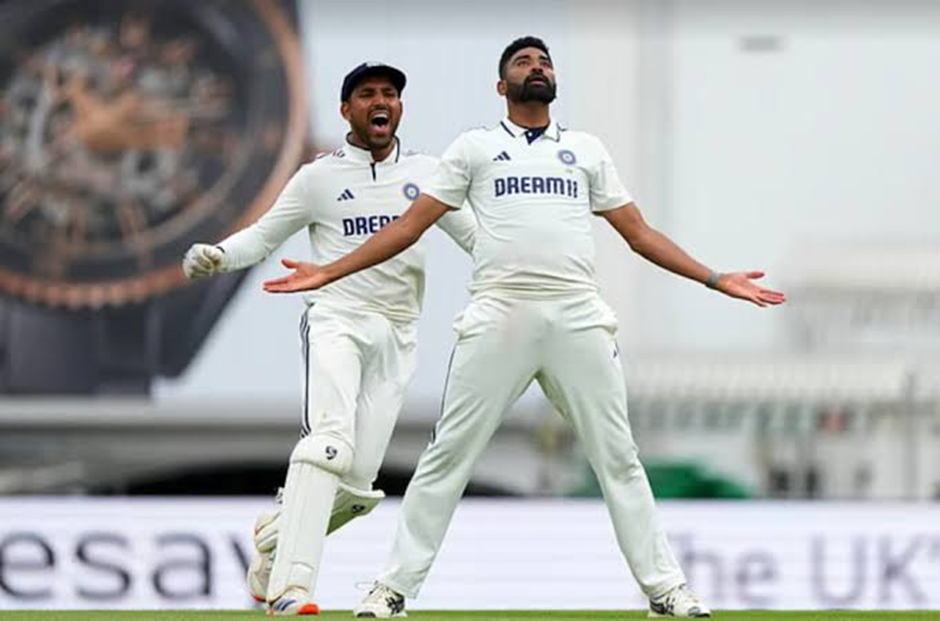
Sports schedules don’t care about real life. Matches land during commutes, work hours, family dinners, and that one moment when the phone battery decides to betray its owner. And yet fans still want to know what’s happening right now, not later, not “when there’s time.”
That’s why tools like tamasha app live match keep getting attention. A good live hub doesn’t just stream. It keeps fans connected to the match story in whatever way they can manage – video when possible, quick updates when they can’t sit and watch.
Fast access matters more than “features”
A live sports app can have every stat on earth, but if it takes 20 seconds to load and asks for three confirmations before showing anything, people will quit. Mobile behavior is ruthless.
The best apps tend to:
- open quickly and land users near the live action
- remember where a user left off
- keep menus simple and predictable
- avoid heavy animations that slow everything down
Speed isn’t a luxury. It’s the difference between “stayed connected” and “missed the over.”
Real-time updates that don’t feel delayed
Fans don’t need perfection, but they do need timing that makes sense. When group chats react before the app shows the moment, it kills the experience.
Great match apps focus on:
- timely score updates
- ball-by-ball or play-by-play feeds that refresh cleanly
- minimal lag between key events and what users see
Even when someone isn’t watching video, good text updates can keep the tension alive. That’s the whole trick.
A clean timeline is a lifesaver
Most fans leave and come back. That’s normal. Matches are long, life is busy.
A smart timeline helps people re-enter the story:
- “wicket at 14.3” with context, not just a number
- boundaries and major moments marked clearly
- quick summaries of what changed since the last check
Without a good timeline, users end up scrolling and guessing. Guessing is exhausting. People don’t open apps to feel lost.
Notifications that behave like a friend, not a spammer
Alerts are a big reason fans install sports apps in the first place. But notifications can also be the reason an app gets muted forever.
What good notification design looks like:
- users choose which matches to follow
- users choose which events trigger alerts (start, wicket, milestone, result)
- alerts arrive on time, not 10 minutes later
- no fake urgency push messages disguised as “updates”
Sports already provide urgency. Apps don’t need to manufacture it.
Mobile-first viewing: built for small screens and short attention
A lot of apps still design like everyone’s on a tablet with perfect Wi-Fi. Real users are on phones, on the move, sometimes in poor signal, often multitasking.
So the better apps prioritize:
- readable text and high-contrast scoreboards
- thumb-friendly controls
- quick switching between live, stats, and highlights
- light data use modes or adjustable stream quality
The goal is simple: make it usable in the real world, not just in a demo video.
Highlights and replays that show up fast
Not every fan can watch every ball. That’s why quick clips matter. They’re the bridge between “I missed it” and “I’m still following.”
Strong live platforms usually provide:
- rapid wicket and boundary replays
- short highlight packages for a quick catch-up
- easy access to key moments without hunting
This is also how apps keep casual fans engaged. The match becomes a series of moments they can actually consume.
Reliability under pressure (big matches break weak apps)
A big match creates predictable chaos: millions of fans try to load the same stream at the same time. If the app collapses, trust collapses with it.
Signs of a mature platform:
- stable playback during peak traffic
- fewer crashes and forced reloads
- smooth recovery after a connection dip
Fans don’t care why it failed. They just remember that it failed when it mattered.
The underrated factor: battery and heat
Live streaming can cook a phone. That’s not an exaggeration. Overheating leads to throttling, lag, and sudden app performance drops.
Apps that deliver a better experience tend to:
- run efficiently in the background
- avoid unnecessary processes
- let users reduce stream quality to save power and data
If the app makes the phone feel like a hand warmer, users will “take a break” and then forget to come back.
What to look for when choosing a match app
Here’s a quick checklist that filters out most of the junk:
- opens fast on mobile data, not just Wi-Fi
- live updates are timely and easy to read
- timeline makes it easy to catch up after leaving
- notifications are customizable and not spammy
- highlights are quick and accessible
- the app stays stable during peak matches
If it hits those basics, it’s already ahead of most options.
The takeaway
Mobile apps keep fans connected because they match modern life: fragmented attention, constant movement, and the need to stay close to the moment without committing to a full broadcast every time.
The best ones feel almost invisible. They don’t demand attention with noise. They support the match story – quietly, quickly, reliably – so fans can dip in and out and still feel like they didn’t miss the heart of the game.