
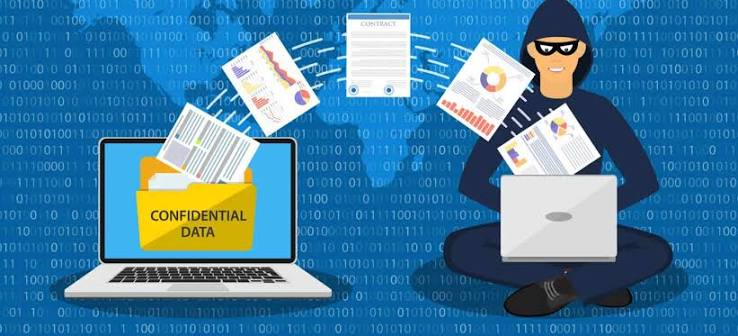
The digital revolution has transformed the way people manage money, shop, and conduct business. Credit cards, debit cards, mobile payments, prozone cc and online banking have made financial transactions faster and more convenient than ever before. However, this growing dependence on digital payment systems has also created new opportunities for cybercriminals who target sensitive financial information.
Stolen card data has become one of the most serious cybersecurity concerns in the modern world. When payment information is compromised, the consequences can extend far beyond unauthorized transactions. Victims may face financial losses, identity theft, privacy concerns, and long-term security risks. Businesses that fail to protect customer payment information may experience reputational damage, legal consequences, and loss of customer trust.
Understanding the hidden risks of stolen card data is essential for consumers and organizations. By learning how card information is compromised and how it is misused, people can take stronger steps to protect themselves in an increasingly digital environment.
What Is Stolen Card Data?
Stolen card data refers to payment information obtained without authorization. This may include:
- Credit card numbers
- Debit card details
- Expiration dates
- Security codes
- Cardholder names
- Billing information
- Associated account details
Cybercriminals obtain this information through various methods, including phishing attacks, malware, data breaches, fake websites, and social engineering techniques.
Once payment information is stolen, criminals may attempt to use it directly for fraudulent transactions or combine it with other personal information to carry out more complex forms of financial crime.
How Card Data Becomes Compromised
Data Breaches
Data breaches are among the most common sources of stolen payment information. Businesses and organizations often store large amounts of customer data, making them attractive targets for attackers.
When cybercriminals successfully compromise a company’s systems, they may gain access to thousands or millions of customer records. These incidents can expose payment information, personal details, and account credentials.
The impact of a data breach does not end when the security issue is fixed. Compromised information may continue circulating among criminals and create risks long after the original incident.
Phishing Attacks
Phishing attacks rely on deception rather than technical attacks. Criminals create fake emails, text messages, or websites that appear to come from trusted companies.
These messages may ask users to verify account information, update payment details, or resolve a fake security issue. When users provide their information, criminals can capture valuable financial data.
Phishing remains effective because attackers often use convincing designs and urgent messages to manipulate victims.
Malware and Device Attacks
Malware is another method used to steal payment information. Malicious software can infect computers, smartphones, and other devices to monitor activity or collect sensitive information.
Keeping devices updated, installing trusted security software, and avoiding suspicious downloads can reduce malware risks.
Unsafe Online Transactions
Shopping on unreliable websites can expose payment information to criminals. Fake online stores may collect card details while pretending to process legitimate purchases.
Consumers should verify websites carefully before entering financial information.
The Hidden Risks of Stolen Card Data
The consequences of stolen card information are often more complex than a single fraudulent transaction.
Financial Losses
The most immediate risk is unauthorized financial activity. Criminals may use stolen card details to make purchases or attempt other fraudulent transactions.
Although many banks and payment providers offer fraud protection, victims may still experience inconvenience while reporting issues, replacing cards, and securing their accounts.
Identity Theft
Stolen card data can become part of a larger identity theft scheme. Criminals may combine payment information with other personal details obtained from different sources.
This information can be used to impersonate victims, access accounts, or create fraudulent financial activities.
Identity theft can take significant time and effort to resolve because victims may need to restore damaged financial records and prove their identity.
Privacy Risks
Payment information is connected to personal identities, purchasing habits, and account details. When this information is exposed, individuals may lose control over how their data is used.
Criminals may use stolen information to create targeted scams, send fraudulent messages, or attempt additional attacks.
Increased Exposure to Future Attacks
A person whose card data has been stolen may become a repeated target. Criminals often use exposed information to create more convincing phishing attempts.
For example, attackers may know a victim’s name, previous purchases, or financial service provider, making fraudulent messages appear more believable.
The Impact on Businesses
Businesses that process payments have a responsibility to protect customer information. A failure to secure payment data can create serious consequences.
Loss of Customer Trust
Customers expect companies to handle their financial information responsibly. A payment data breach can damage a company’s reputation and cause customers to move to competitors.
Trust is difficult to rebuild once customers believe their personal information has been placed at risk.
Financial Costs
Recovering from a payment-related security incident can be expensive. Businesses may face costs related to:
- Security investigations
- System repairs
- Customer notifications
- Legal services
- Regulatory requirements
- Cybersecurity improvements
For smaller businesses, these costs can create significant financial pressure.
Legal and Regulatory Challenges
Many industries are required to follow strict data protection standards. Organizations that fail to protect payment information may face investigations, penalties, and legal action.
Maintaining strong cybersecurity practices is not only a technical responsibility but also a business requirement.
How Consumers Can Protect Their Card Information
Individuals can reduce their risk of payment fraud by following several security practices.
Use Strong Passwords
Create unique passwords for banking, shopping, and payment accounts. Avoid using the same password across multiple websites.
A compromised password on one platform can create risks across other accounts.
Enable Multi-Factor Authentication
Multi-factor authentication adds an additional security step beyond passwords.
Even if login credentials are stolen, MFA can help prevent unauthorized account access.
Monitor Financial Activity
Regularly check bank statements and transaction histories for unusual activity.
Quickly reporting suspicious transactions can help reduce potential losses.
Avoid Suspicious Links and Messages
Do not click unknown links in emails, text messages, or social media messages requesting financial information.
Always verify requests through official websites or customer service channels.
Use Secure Websites
Before entering payment details online, confirm that the website is legitimate and uses secure connections.
Avoid websites with suspicious addresses, unrealistic offers, or missing contact information.
How Businesses Can Improve Payment Security
Organizations can take several steps to protect customer card information.
Encryption
Encryption protects sensitive financial information by converting it into a secure format that unauthorized users cannot easily access.
Secure Payment Systems
Businesses should use trusted payment processors and follow industry security standards.
Regular Security Testing
Security assessments help identify weaknesses before attackers can exploit them.
Employee Training
Employees should understand common cybersecurity threats, including phishing and social engineering attacks.
Access Controls
Only authorized employees should have access to sensitive payment information. Limiting access reduces security risks.
The Future of Card Security
As digital payments continue to grow, security technologies are also advancing. Financial institutions and technology companies are developing stronger protections, including artificial intelligence-based fraud detection, biometric authentication, tokenization, and improved encryption.
However, technology alone cannot completely eliminate cyber threats. Users and businesses must continue improving their security awareness and adopting responsible digital practices.
The future of payment security depends on cooperation between financial institutions, businesses, cybersecurity experts, and consumers.
Conclusion
Stolen card data represents one of the hidden dangers of today’s digital world. While digital payments provide speed and convenience, they also create opportunities for cybercriminals to target valuable financial information.
The risks associated with stolen card data go beyond unauthorized purchases. Victims may face identity theft, privacy concerns, repeated fraud attempts, and long-term financial challenges. Businesses can also experience reputation damage, prozone.st financial losses, and regulatory difficulties when customer payment information is compromised.
Protecting against these threats requires a combination of strong cybersecurity technology and responsible online behavior. Consumers should use secure passwords, enable multi-factor authentication, monitor accounts, and remain cautious when sharing financial information. Businesses should invest in encryption, secure payment systems, employee training, and regular security assessments.
As the digital economy continues to expand, protecting payment information must remain a top priority. Awareness, preparation, and strong security practices are essential for creating a safer online environment for everyone.