
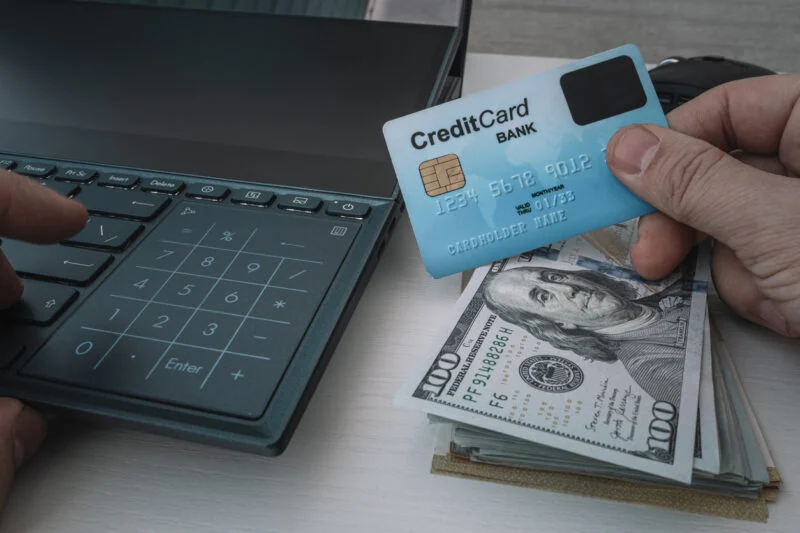
In the digital era, online and card-based transactions have become a daily norm, offering convenience and speed. However, this convenience has attracted cybercriminals who target payment cards, seeking bclub sensitive data such as CVV2 codes and magnetic stripe information, often referred to as “dumps.” While terms like “premium CVV2 exchange” or “trusted dumps collection” may sound technical, they are commonly used by underground cybercriminal markets. Understanding these concepts and their associated risks is critical for individuals, businesses, and financial institutions.
What Are CVV2 Codes and Card Dumps?
CVV2 Codes
The Card Verification Value 2 (CVV2) is the three- or four-digit number printed on the back of a credit or debit card. It is used as an extra layer of security for card-not-present (CNP) transactions, such bclub.tk as online purchases. Legitimate merchants are prohibited from storing CVV2 numbers under the Payment Card Industry Data Security Standard (PCI DSS).
Card Dumps
A “dump” refers to the digital encoding of the information stored on a card’s magnetic stripe. This includes the primary account number, expiration date, service code, and discretionary data. Criminals can use this information to create counterfeit cards if obtained illegally.
Together, CVV2 codes and dumps represent sensitive card data that, in the wrong hands, can lead to fraud and financial loss.
How Cybercriminals Operate
Underground marketplaces often advertise stolen card data, describing it in terms like “premium,” “verified,” or “trusted.” These platforms are typically located on the dark web, requiring special browsers and often using cryptocurrency for payments to remain anonymous. While these markets may sound sophisticated, they are illegal, and participation carries severe legal consequences.
Some common methods criminals use to acquire card data include:
- Skimming Devices – Illegally attached to ATMs or point-of-sale (POS) machines to capture card information.
- Malware on POS Systems – Malware infiltrates retail systems, capturing transaction data in real-time.
- Phishing and Social Engineering – Trick users into providing card data on fake websites or via email scams.
- Data Breaches – Hackers breach large retailers or service providers, stealing databases containing sensitive cardholder information.
The Risks to Consumers
Stolen card data can have serious consequences for individuals:
- Financial Loss – Unauthorized transactions may appear on statements, requiring disputes with the bank.
- Credit Damage – Fraudulent activity can negatively affect credit scores.
- Stress and Time Loss – Resolving fraud issues often involves lengthy communications with banks and credit bureaus.
Even if one does not directly engage with illegal marketplaces, awareness is crucial to avoid falling victim to scams that attempt to harvest sensitive information.
Business Implications
Businesses that handle card payments also face significant risks:
- Legal Liability – Non-compliance with PCI DSS or inadequate security measures can lead to fines and lawsuits.
- Reputation Damage – Data breaches erode customer trust and brand value.
- Financial Loss – Businesses may incur costs related to breach response, fraud reimbursement, and operational downtime.
Legal and Law Enforcement Actions
Governments and international law enforcement agencies actively target underground cybercriminal marketplaces. Major dark web takedowns demonstrate that even sophisticated marketplaces cannot operate with impunity. In many countries, even attempting to buy or sell stolen card data constitutes a serious crime.
Legal frameworks such as the Computer Fraud and Abuse Act (CFAA) in the U.S., the European General Data Protection Regulation (GDPR), and various national cybersecurity laws provide mechanisms for prosecuting fraud and protecting consumers.
Protecting Yourself Against Card Fraud
Individuals and businesses can take proactive steps to minimize risk:
For Individuals:
- Monitor Bank Statements – Regularly check transactions for unauthorized activity.
- Enable Alerts – Use SMS or email notifications for card transactions.
- Use Virtual or One-Time Cards – Many banks offer temporary card numbers for online purchases.
- Be Cautious Online – Avoid sharing card information on unfamiliar or unsecured websites.
For Businesses:
- Implement PCI DSS Compliance – Ensure that cardholder data is stored, processed, and transmitted securely.
- Use EMV Chip Technology and Tokenization – Reduces the usability of stolen card information.
- Regular System Updates – Keep POS and online payment systems updated to prevent malware infiltration.
- Employee Training – Educate staff about phishing, social engineering, and proper handling of card data.
Conclusion
While terms like “premium CVV2 exchange” and “trusted dumps collection” are often associated with underground cybercriminal marketplaces, they represent real-world threats that affect millions of consumers and businesses worldwide. Understanding the nature of these threats and adopting protective measures is essential for mitigating financial risk and maintaining trust in digital commerce.
Cybersecurity education, robust security practices, and vigilance are the most effective defenses against fraud and the illegal circulation of sensitive card data. Staying informed is not just a personal responsibility — it is critical for the safety of the entire digital payment ecosystem.